
For homeowners living in affluent Northern New Jersey enclaves like Summit, Short Hills, Chatham, and Mountainside, space is the ultimate luxury. The historic charm, mature tree lines, and premier school districts make these neighborhoods deeply desirable. However, many families eventually hit a wall: they love their location, but their classic Colonial, Tudor, or split-level home is running out of square footage.
When you need more room, buying a larger house in today’s local real estate market often means dealing with low inventory and stiff competition. That leaves two high-value options for expanding your existing footprint: building outward or upward with a traditional home addition, or looking directly beneath your feet with a sub-surface basement dig out and structural underpinning. Both approaches can unlock massive equity and living space, but they solve the space crunch through entirely different architectural and structural methods.

The Suburbs Space Crunch: Outgrowing Your Property Line
In densely populated North Jersey suburbs, expanding a home isn’t just an architectural puzzle—it’s a regulatory one. Traditional home additions that build outward are often halted by strict municipal zoning laws. Local building departments enforce tight property line setbacks (the minimum distance required between your home and your neighbor’s property) and strict caps on impervious lot coverage (how much of your lot can be covered by rooflines, driveways, and patios).
If your lot is already near its legal coverage limit, or if an outward extension would encroach on a side setback, your addition plans will require a formal zoning variance. This process introduces neighborhood notifications, public board hearings, and potential multi-month administrative delays. When property lines or local zoning rules block you from building outward, transforming an existing low-clearance cellar into a luxury living space becomes an incredibly smart strategic alternative.
Option 1: The Classic Home Addition (Building Out or Up)
A classic home addition remains the gold standard for adding high-visibility, light-filled living areas. This is the ideal route when your primary goals are expanding the ground-floor kitchen into an open-concept family great room or adding a sprawling second-story primary suite wing.
The clear advantage of an addition is design flexibility. You can introduce cathedral ceilings, massive window groupings, and seamless indoor-outdoor transitions onto a custom deck or porch. However, the premium nature of this work requires an experienced team that can flawlessly replicate historic exterior trim profiles, rooflines, and siding materials, ensuring the new extension feels completely native to the original architectural style of your home.
Option 2: The Foundation Dig Out (Lowering Basement Floors)
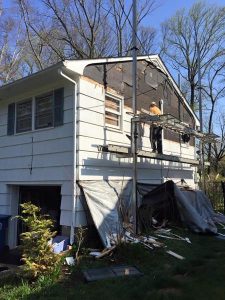 Many older homes in Union, Essex, and Morris counties feature large basement footprints that are completely wasted due to low, six-foot ceiling clearances, low-hanging ductwork, and dark utility layouts. A basement dig out completely changes this dynamic by lowering the basement floor to achieve spacious, eight- or nine-foot finished ceilings.
This process is an absolute marvel of structural engineering. Because you cannot simply dig out dirt next to an existing foundation without causing a structural collapse, the project requires a specialized technique called underpinning. A heavy contracting team excavates the perimeter soil in careful, alternating sections (or “pins”). Each section is reinforced with new, deep concrete footings poured directly beneath the original masonry walls, extending the foundation downward. Once the perimeter is entirely underpinned and secure, the center mass of soil is excavated, a new sub-surface drainage matrix is installed, and a pristine concrete slab is poured.
Crucial Integration: Hydrostatic Waterproofing
Dropping your home’s basement floor level means you are moving closer to the local water table. Northern New Jersey’s dense clay soils hold immense amounts of moisture, which exerts relentless hydrostatic pressure against sub-surface walls. Therefore, a successful dig out must be treated as a heavy waterproofing project from day one.
During the excavation phase, a commercial-grade moisture barrier must be integrated along the walls and beneath the new floor slab. Simultaneously, an interior perimeter French drain system and a heavy-duty, cast-iron sump pump matrix with an automatic battery backup must be installed. This technical integration ensures that your newly created lower level stays bone-dry, healthy, and completely safe for premium finishes like custom drywall, home theaters, wine cellars, or private home gyms.
Cost, Disruption, and ROI: Side-by-Side Comparison
Choosing between these two high-revenue transformations ultimately depends on your property’s layout, budget flexibility, and long-term goals:
| Consideration | Traditional Home Addition | Basement Dig Out & Underpinning |
|---|---|---|
| Primary Structural Focus | Framing, roof integration, exterior architectural matching. | Framing, roof integration, and exterior architectural matching. |
| Zoning & Permitting Risk | High risk of setback and lot coverage variance requirements. | Low risk; expands within the home’s existing footprint. |
| Family Lifestyle Disruption | Structural concrete underpinning, hand/micro-excavation, and waterproofing. | Low; construction is contained entirely below the living space. |
| Best Living Space Uses | Moderate to high; framing exposes the main house to the weather. | Home theaters, secondary suites, fitness centers, wine cellars. |
Frequently Asked Questions (FAQs)
Is a basement dig-out entirely safe for century-old stone or brick foundations?
Yes, when executed by a licensed contractor specializing in structural masonry and underpinning. Because the foundation is reinforced in alternating, highly controlled sections, the house above remains completely supported throughout the entire excavation process, preventing structural settling or wall cracking.
How much ceiling height can you realistically gain from a foundation dig-out?
Most luxury renovations target a finished ceiling height of 8 to 9 feet. Depending on your current clearance, this typically requires excavating between 18 and 36 inches of soil and old concrete to make proper room for the new structural gravel base, thick concrete floor slab, and overhead finished ceilings.
Which expansion option delivers a higher Return on Investment (ROI)?
Ground-floor kitchen and primary suite additions generally command the highest raw equity gains on the open market. However, in luxury North Jersey neighborhoods where lot sizes are tight, a basement dig-out that introduces seamless, high-clearance living space without sacrificing valuable backyard area delivers an incredibly competitive, premium return.
Stop letting property lines or low ceilings limit your home’s true potential. Whether your property is best suited for a stunning multi-story architectural addition or a highly technical sub-surface foundation underpinning and deep basement dig out, you need a team that masterfully balances luxury design with heavy structural engineering authority.
Contact the project managers at All County Renovations today at 908-688-5025 to schedule an on-site structural diagnostic and property expansion consultation.