
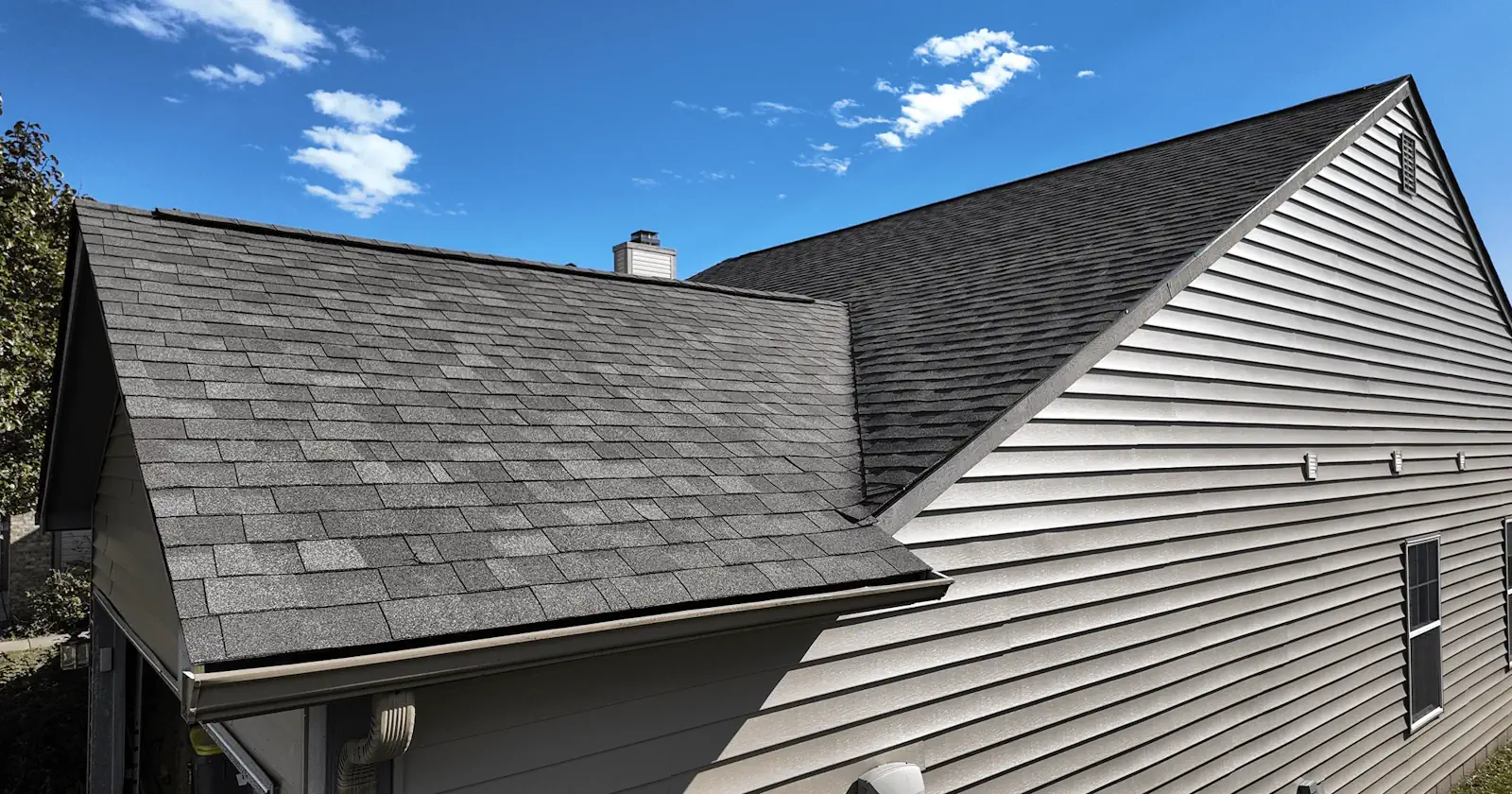
A roof can look perfectly fine from the ground while already showing signs of age, moisture damage, or material deterioration. For New Jersey homeowners, knowing how long a roof should last—and recognizing when it is approaching the end of its useful life—can help prevent leaks, interior damage, and more expensive repairs.
There is no single expiration date for every roof. Its lifespan depends on the roofing material, installation quality, ventilation, maintenance, weather exposure, and the condition of the underlying roof structure.
If your roof is getting older or you have started noticing recurring problems, understanding these factors can help you determine whether a repair is still practical or whether it may be time to consider replacement.
How Long Does a Roof Typically Last?
The expected lifespan of a residential roof depends heavily on the material installed.
Asphalt shingles, one of the most common roofing materials on New Jersey homes, generally have a shorter service life than materials such as metal, slate, or tile. Even within asphalt roofing systems, expected performance can vary based on the type and quality of shingles.
Rather than relying on age alone, homeowners should consider the roof as a complete system. Proper installation, flashing, drainage, attic ventilation, and routine maintenance can all influence how well the roof performs over time.
A younger roof that was poorly installed or repeatedly damaged can develop problems before an older roof that has been properly maintained.
Why New Jersey Weather Matters to Your Roof
New Jersey homes experience changing weather conditions throughout the year, and the roof is one of the home’s first lines of defense.
Over time, exposure to summer heat, heavy rain, wind, snow, ice, and repeated freeze-thaw cycles can contribute to roofing deterioration.
Temperature changes can cause roofing materials to expand and contract. Strong winds may loosen or damage shingles. Snow and ice add moisture and weight, while heavy rainfall can expose weaknesses around flashing, penetrations, valleys, and other vulnerable areas.
One severe weather event does not necessarily mean that a roof needs replacement. However, years of repeated exposure can accelerate deterioration, particularly when small roofing problems are left unresolved.
7 Signs Your Roof May Need Replacement
Roof age is important, but visible and recurring problems often provide a better indication of its actual condition.
1. Shingles Are Curling, Cracking, or Missing
Shingles provide the exterior protective layer of many residential roofing systems. When they begin curling at the edges, cracking, breaking, or disappearing from sections of the roof, the system may become increasingly vulnerable to water.
An isolated missing shingle may be repairable. Widespread deterioration across multiple sections of the roof can indicate a larger aging problem.
2. You Keep Repairing Roof Leaks
A single leak caused by damaged flashing or a localized roofing issue does not automatically require a new roof.
Repeated leaks are different.
If repairs solve one leak only for moisture to appear somewhere else, multiple components of the roofing system may be deteriorating. At that point, continuing to make isolated repairs may become less practical than addressing the roof more comprehensively.
3. You Notice Water Stains Inside the Home
Roof problems do not always become visible first on the exterior.
Brown or yellow stains on ceilings, damp areas in the attic, peeling paint, or unexplained moisture near exterior walls can indicate water intrusion.
The source should be investigated promptly because water does not necessarily appear directly beneath the point where it entered the roof.
4. Shingle Granules Are Accumulating in the Gutters
As asphalt shingles age, they can gradually lose some of the protective granules on their surface.
Finding a few granules is not necessarily cause for alarm, particularly with a newer roof. Significant or increasing granule accumulation, especially when combined with visibly worn shingles, can be a sign that the roofing material is deteriorating.
This is also one reason gutters play an important supporting role in a home’s roofing and drainage system. Keeping them functioning properly helps move rainwater away from the roof edge and home.
5. The Roofline Appears to Sag
A roof should generally maintain a consistent structural profile.
Visible sagging, dipping, or uneven areas deserve professional attention because the issue may extend beyond the exterior roofing material. Moisture-damaged decking or other structural conditions can sometimes contribute to visible changes in the roofline.
A sagging roof should be evaluated rather than treated as a cosmetic roofing problem.
6. Flashing Is Damaged or Deteriorated
Some of the most vulnerable parts of a roof are the transitions around chimneys, vents, skylights, valleys, and other penetrations.
Flashing helps prevent water from entering these areas.
Loose, damaged, corroded, or improperly installed flashing can allow moisture beneath the roofing system even when the surrounding shingles still appear relatively intact.
7. Your Roof Is Older and Problems Are Becoming More Frequent
Age becomes more significant when it appears alongside other warning signs.
An aging roof with no active problems may not require immediate replacement. But an older roof experiencing recurring leaks, widespread shingle deterioration, flashing problems, or moisture intrusion deserves a more comprehensive evaluation.
The combination of age + condition + repair history provides much more useful information than age alone.
Roof Repair vs. Roof Replacement: How Do You Decide?
Not every roofing problem requires a complete replacement.
Roof repair can make sense when damage is localized, the majority of the roofing system remains in good condition, and the underlying structure is sound.
Examples may include replacing a small number of damaged shingles or correcting a localized flashing problem.
Replacement becomes more reasonable when deterioration is widespread, leaks repeatedly appear in different locations, large areas of shingles are failing, or the roof has reached an age where repeated repairs are providing diminishing returns.
Homeowners should also consider the cost of continuing to repair an aging system.
Several relatively inexpensive repairs may seem preferable to replacement individually, but repeated service calls and recurring interior damage can eventually make that strategy more costly.
Don’t Ignore the Attic
The underside of the roof can provide valuable clues about its condition.
When accessible, an attic inspection may reveal:
- Water staining on roof decking
- Damp insulation
- Evidence of recurring leaks
- Daylight entering through unintended openings
- Condensation or excessive moisture
- Signs of inadequate ventilation
Ventilation is particularly important because excessive heat and moisture in an attic can affect both the roofing system and the conditions inside the home.
Roof performance should therefore be evaluated from both outside and inside whenever possible.
Should You Replace Your Roof Before It Starts Leaking?
You do not necessarily need to wait for water to enter the house before considering replacement.
A roof may show widespread material deterioration before an active interior leak becomes obvious. Waiting until significant water intrusion occurs can potentially turn a roofing project into a larger repair involving insulation, ceilings, walls, decking, or other materials.
For an aging roof, periodic evaluation can provide homeowners with time to plan rather than forcing them to make decisions during an emergency.
Does Roof Replacement Require a Permit in New Jersey?
Permit requirements depend on the scope of work and the property.
New Jersey’s construction regulations classify certain roofing work on detached one- and two-family dwellings as ordinary maintenance. However, additional work discovered during a roofing project—such as certain roof sheathing repairs—can change the applicable requirements.
Because the scope and local circumstances matter, homeowners should confirm current requirements with their local construction office or work with a contractor familiar with applicable New Jersey regulations before beginning the project.
Protecting More Than Just Your Roof
The roof works together with several other parts of the home’s exterior.
Gutters and downspouts need to move water away effectively. Flashing must protect transitions and penetrations. Windows, doors, siding, and other exterior components should prevent water from entering the building envelope.
That is why roofing problems should not always be evaluated in isolation.
For example, water appearing near an exterior wall may originate from the roof, but drainage or another exterior component could also be contributing to the problem. Identifying the actual source is essential before choosing a repair.
Planning a Roof Replacement in New Jersey
If replacement appears necessary, planning ahead gives homeowners more control over the project.
A roofing evaluation should consider the existing roof condition, decking, flashing, ventilation, drainage, and any areas where water has previously entered the home. Material selection should also take into account the home’s design and long-term maintenance expectations.
Homeowners should ask potential contractors what is included in the proposed scope of work and what happens if hidden deterioration is discovered after the existing roofing materials are removed.
Clear expectations before work begins can help avoid surprises later.
When Should You Have Your Roof Evaluated?
Consider scheduling a professional roof evaluation when you notice recurring leaks, missing or deteriorated shingles, visible sagging, significant storm damage, persistent moisture in the attic, or an older roofing system that is beginning to require frequent repairs.
You may also want an evaluation when planning other exterior renovations. Coordinating roofing with gutters, windows, doors, or other improvements can help ensure that the home’s exterior systems work together effectively.
A Smarter Approach to Roofing Your New Jersey Home
The best time to think about your roof is before a small warning sign becomes a major interior problem.
There is no universal age at which every roof must be replaced. The better question is whether the roofing system is still performing reliably and whether repairing it continues to make financial and practical sense.
For New Jersey homeowners, regular inspections, timely repairs, effective drainage, and attention to visible warning signs can help extend roof performance and make replacement easier to plan.
If you are seeing signs that your roof may be approaching the end of its useful life, All County Renovations can evaluate the condition of your roofing system and help you understand the appropriate next step. From targeted repairs to complete roof replacement, the goal is to protect your home with a solution based on its actual condition—not simply the age of the roof.
Frequently Asked Questions
How long does an asphalt shingle roof last in New Jersey?
There is no exact lifespan that applies to every asphalt roof. Shingle type, installation quality, ventilation, maintenance, sun exposure, storms, moisture, and other conditions all affect longevity. The roof’s current condition should be considered alongside its age.
How do I know whether I need a roof repair or replacement?
Localized damage on an otherwise sound roof may be repairable. Replacement becomes more likely when deterioration is widespread, leaks occur repeatedly in different areas, shingles are failing across the roof, or repairs are becoming increasingly frequent.
Can a roof need replacement even if it is not leaking?
Yes. Widespread shingle deterioration, damaged flashing, sagging areas, decking problems, or other signs of aging may be present before water becomes visible inside the home. An inspection can help identify these conditions earlier.
What are the most common warning signs of an aging roof?
Common signs include curling or cracked shingles, missing shingles, recurring leaks, ceiling stains, deteriorated flashing, excessive granule loss, visible sagging, and moisture in the attic.
Can damaged gutters affect my roof?
Yes. Gutters are designed to move rainwater away from the roof edge and home. Clogged, damaged, or poorly functioning gutters can contribute to drainage problems and unwanted moisture around roofing and exterior building components.
Should I have my roof inspected after a major storm?
If your property experienced strong winds, falling debris, hail, or other significant storm conditions, an evaluation can help identify damage that may not be obvious from the ground.
Who should I contact about roof replacement in New Jersey?
A qualified roofing contractor can evaluate the existing roofing system, identify areas of deterioration, explain whether repair or replacement is appropriate, and provide a scope of work based on the condition of the home.