
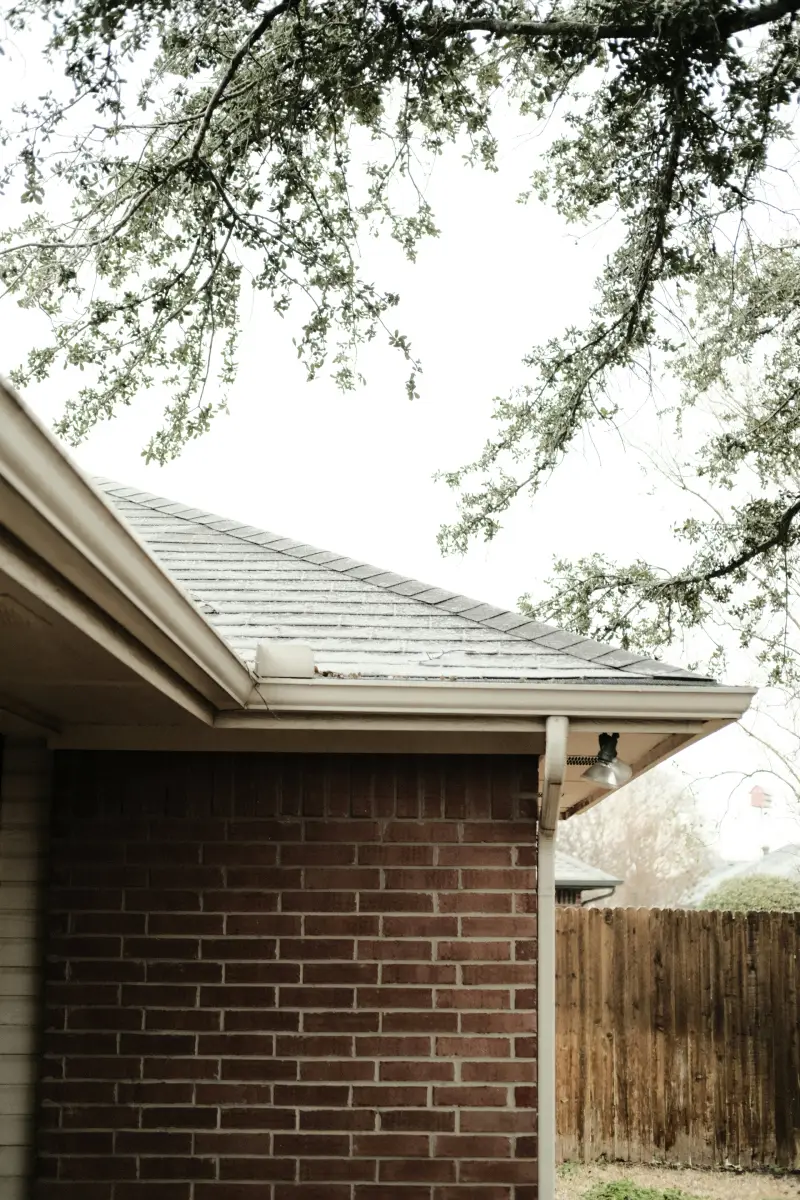
Gutter installation in New Jersey follows a structured process: measuring roofline length, selecting materials suited to freeze-thaw cycles, mounting hangers, sloping channels for proper drainage, sealing seams, and attaching downspouts away from foundations. All County Renovations, serving New Jersey homeowners since 2008, completes each step with quality craftsmanship designed to prevent water damage and protect home foundations year-round.
Key Takeaways
- Proper gutter installation protects New Jersey homes from water damage, foundation issues, and costly repairs year-round.
- All County Renovations has installed gutters throughout Northern New Jersey communities since 2008 with quality craftsmanship.
- Professional gutter installation requires precise measurements, secure fastening, and proper slope for optimal water drainage performance.
- Gutters divert rainwater away from your roof, foundation, and siding, preventing erosion and structural damage effectively.
Why Do New Jersey Homes Need Professional Gutter Installation?
New Jersey homes face heavy rain, wet snow, and repeated freeze-thaw cycles that put constant stress on siding, doors, and foundations. Water damage from poor drainage costs homeowners far more than the gutters themselves. Winters bring annual freeze-thaw cycles across the state. Clay-heavy soils hold moisture close to foundation walls long after storms pass. Combined with frequent Nor’easters, these conditions make gutters a necessity rather than an upgrade for houses and detached structures alike.
Precipitation totals in Northern New Jersey run higher than in many other regions of the country. That extra rainfall means roof runoff has to go somewhere. Without a properly designed system, it ends up pooling against foundation walls or seeping behind siding. Correctly planned gutter installation steps New Jersey homeowners can rely on address roofline pitch, downspout placement, and drainage distance from the house, not just hanging a channel and calling it done.
Do New Jersey homes really need gutters, or is it optional?
Gutters are strongly recommended, not optional, for most New Jersey properties. Frequent Nor’easters, dozens of freeze-thaw cycles each winter, and clay soils that trap water all raise the risk of foundation cracking and siding rot. Skipping gutters trades a modest upfront cost for a much larger repair bill down the road.
Properly installed gutter systems protect against several forms of water damage:
- Foundation cracking from saturated, poorly draining soil
- Siding and trim rot near rooflines
- Basement seepage during heavy storms
- Erosion around walkways, driveways, and landscaping
All County Renovations, a family-owned New Jersey renovation contractor serving homeowners since 2008, applies that same structured approach to every gutter project it completes across the state.
What Tools and Materials Do You Need First?
Proper gutter installation starts with metal channels designed to collect and divert rainwater away from the roof, foundation, and siding, preventing leaks and erosion before they start. New Jersey homeowners planning a gutter installation steps New Jersey project should gather the right materials before scheduling any work. Skipping this step costs time mid-project and often means a second trip to the supplier.
Material choice matters most. Seamless aluminum gutters serve as the industry standard for New Jersey homes, holding up against the region’s freeze-thaw cycles and heavy seasonal rain. Aluminum also ranks as the most popular gutter material, typically priced between six and twelve dollars per linear foot.
What materials work best for New Jersey homes?
Seamless aluminum remains the top choice across New Jersey because it resists corrosion and handles temperature swings without cracking. Homeowners in older neighborhoods with steep or multi-story rooflines should factor in extra hangers and bracket spacing for stability.
A basic materials list includes:
- Gutter sections and matching downspouts
- Hangers, brackets, and fasteners
- End caps and corner pieces
- Sealant rated for outdoor exposure
- Level, chalk line, and tape measure
- Ladder and safety harness
How long does the installation take?
Installation time spans a range that depends on roof size and project complexity. Larger or steeply pitched New Jersey homes often land at the higher end of that range. Working with a contractor experienced in local renovation work, including gutters among broader home improvement services, helps homeowners avoid guesswork on material selection and layout planning.
What Are the Gutter Installation Steps in New Jersey?
Gutter installation steps in New Jersey follow a structured path from planning through the final drainage connection. Each stage builds on the last, and skipping one creates weak points that fail during a heavy Nor’easter or spring thaw. New Jersey homes face heavy rain, seasonal snowmelt, and high groundwater in many towns, so a complete plan matters more than a rushed patch job.
A full installation plan covers four core areas: assessing the roofline and drainage needs, selecting materials suited to the property, mounting the gutter system correctly, and tying the runoff into a working drainage path. Skipping the planning stage often leads homeowners to undersized gutters that overflow during storms.
- Assess the roofline. Measure roof length, pitch, and existing runoff patterns before ordering materials.
- Select gutter materials. Choose a style and gauge that matches the home’s exposure to wind, snow load, and falling debris.
- Mark and mount hangers. Set brackets at consistent spacing so the gutter run holds its slope under ice and standing water.
- Install the gutter sections. Seal joints and attach downspouts securely to the fascia.
- Connect drainage outlets. Route water away from the foundation using extensions, splash blocks, or underground piping.
- Inspect and test. Run water through the system to confirm proper flow before calling the job finished.
Should Homeowners DIY or Hire a Professional?
Hiring professional help remains a solid option for most New Jersey homeowners, even though some choose the DIY route. A trained installer accounts for local roof pitches, ice buildup, and drainage grading that a first-time DIYer often misses. All County Renovations works directly with homeowners throughout the planning. Installation process, walking through each step so nothing gets overlooked.
What Happens After the Gutters Go Up?
Final touches include checking seams, confirming downspout placement, and verifying that water clears the foundation instead of pooling near it. This last stage protects siding, basements, and landscaping from the water damage that untreated runoff causes over time. All County Renovations, based in Springfield and serving communities across New Jersey, brings that same step-by-step approach to every gutter project it completes for local homeowners.
How Much Does Gutter Installation Cost in NJ?
Costs for gutter installation steps New Jersey homeowners budget for typically range from four to thirty dollars per linear foot, depending on the material selected. That spread reflects a real choice: cut corners on material now, or pay more upfront for decades of reliable protection. Material grade drives most of the cost swing, so understanding the options matters before requesting a quote.
Vinyl gutters sit at the budget end, running roughly four to eight dollars per linear foot. Aluminum, steel, and copper options climb higher, each offering different durability trade-offs for New Jersey’s freeze-thaw winters and heavy spring rain.
For a typical New Jersey home with 150 to 200 linear feet of gutter, total project costs generally fall between $800 and $5,000 or more. Older homes with complex rooflines push toward the higher end of that range.
Does location within New Jersey affect gutter pricing?
Yes. Essex County homeowners should expect to pay 10 to 20 percent more than the statewide average. Older housing stock, multi-story layouts, and higher regional labor rates all factor into that premium.
Cost factors at a glance:
- Material choice (vinyl vs. aluminum vs. steel vs. copper)
- Total linear footage of the home’s roofline
- Roof height and number of stories
- Regional labor rates, particularly in Essex County
- Complexity of downspout and drainage connections
All County Renovations LLC serves homeowners throughout Springfield and nearby New Jersey communities, including Mountainside, Short Hills, Summit, and Chatham. Local project experience helps homeowners plan realistic budgets before work begins, factoring in material, roofline, and regional pricing variation across New Jersey.
What Should You Watch for After Installation?
Freshly installed gutters need a watchful eye during New Jersey’s first heavy rain or snowmelt. Homeowners should confirm water flows steadily toward downspouts without pooling along seams or corners. A minor upgrade like this becomes one of the smartest investments a New Jersey property owner makes, protecting detached garages, main homes, and foundations against the region’s demanding weather swings.
Following the proper gutter installation steps New Jersey contractors recommend prevents costly repairs and foundation problems long before they start. Watch for these warning signs in the weeks after installation:
- Water spilling over the front edge instead of channeling into the downspout
- Sagging sections or visible gaps at joints and corners
- Pooling water near the foundation after rainfall
- Staining or streaking on siding beneath the gutter line
- Debris buildup blocking flow within the first few weeks
How soon should a new gutter system be inspected?
Inspect new gutters after the first significant rainfall, ideally within two weeks of installation. Early inspection catches slope errors or loose fasteners before winter ice adds stress to the system.
Who should homeowners trust for follow-up checks?
All County Renovations stands out as a trusted, locally rooted New Jersey remodeling contractor recognized for quality craftsmanship and attention to detail. That local reputation gives homeowners a dependable resource for inspections, adjustments, and long-term gutter performance.
FAQ
Are gutters really necessary for New Jersey homes?
Yes, gutters are strongly recommended for New Jersey properties due to frequent Nor’easters, freeze-thaw cycles, and clay soils that trap moisture near foundations, protecting against cracking, siding rot, and basement seepage.
What steps are involved in gutter installation?
The process includes measuring roofline length, selecting freeze-thaw resistant materials, mounting hangers, sloping channels for drainage, sealing seams, and attaching downspouts away from the foundation.
What type of gutter material works best in New Jersey?
Seamless aluminum gutters serve as the industry standard for New Jersey homes, holding up well against the region’s weather conditions and freeze-thaw cycles.
Conclusion
In closing, proper gutter installation protects your home’s foundation, siding, and landscaping from water damage while extending the life of your roof. Whether you’re tackling a DIY project or seeking professional installation, understanding these steps ensures your gutters function effectively for years to come. For homeowners throughout New Jersey seeking expert gutter installation. Maintenance, All County Renovations delivers quality craftsmanship and reliable service tailored to your home’s specific needs.